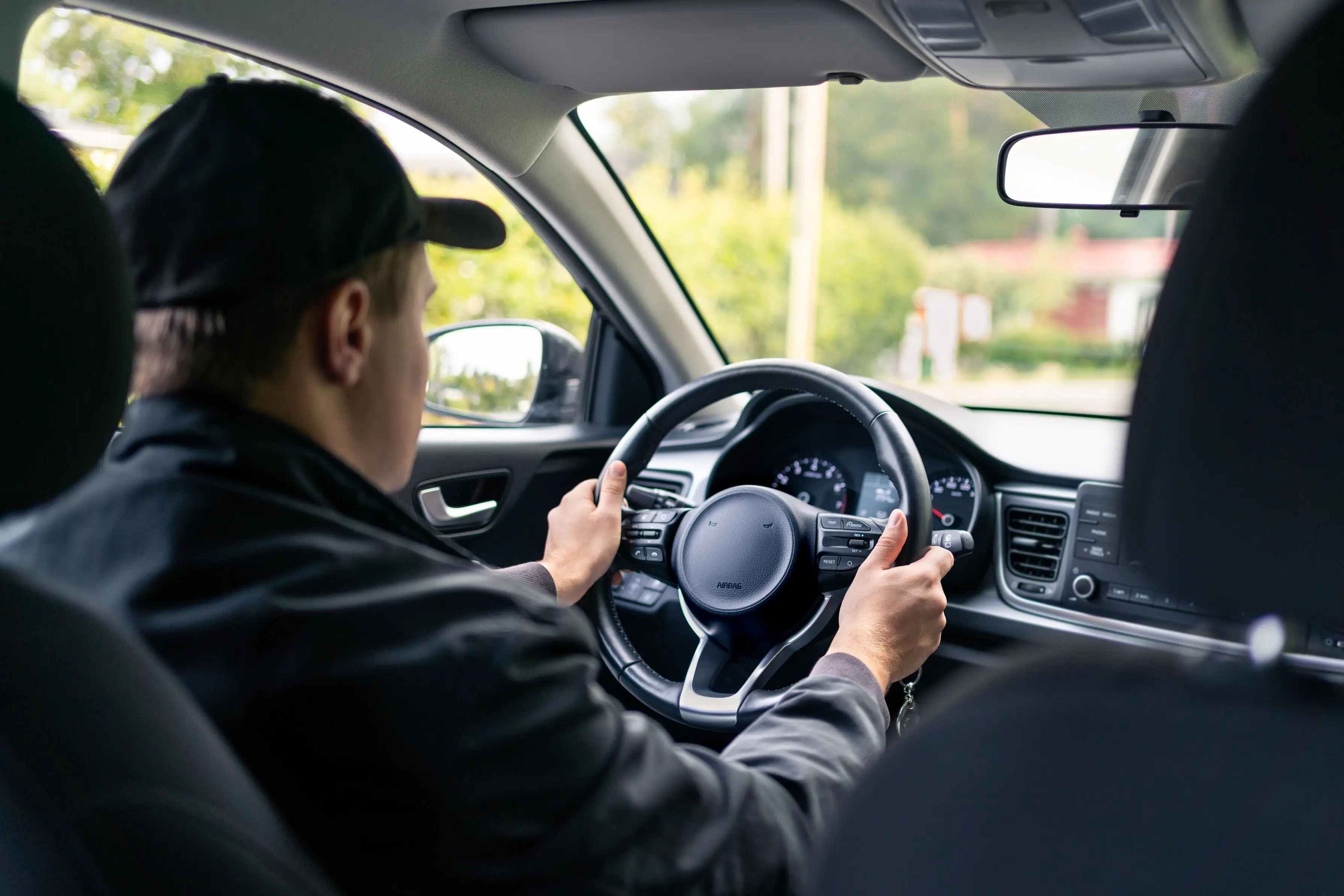



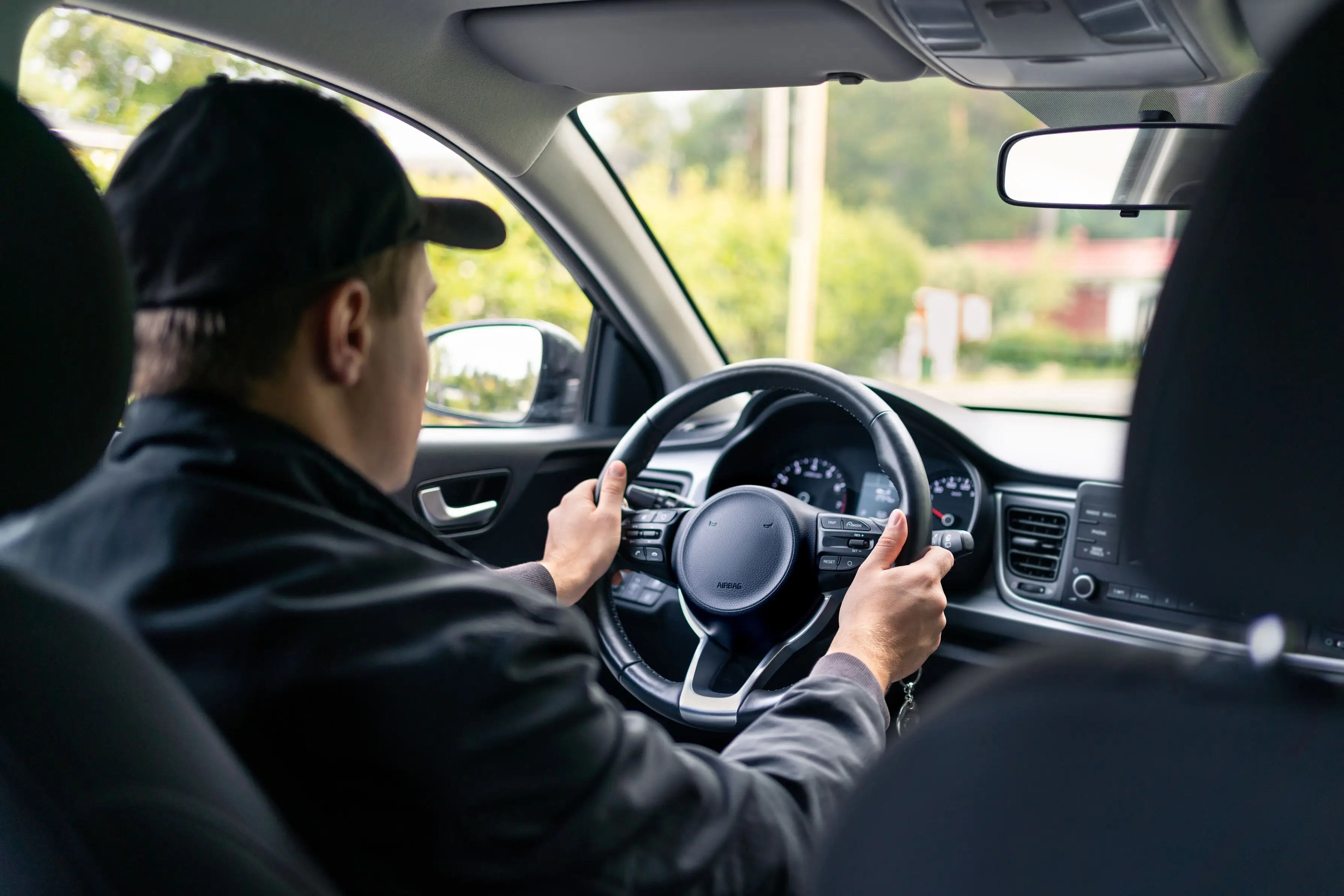
When new drivers first drive their automobile, they will undoubtedly experience a mixture of delight and worry. This implies that you are not only learning how to drive a car, but also how to keep yourself and others safe while on the road. In this case, defensive driving can help you prevent an accident.
Defensive driving involves knowing possible dangers and acting safely to prevent mishaps. This is a skill set that may save lives, lower anxiety, and potentially save insurance premiums'. Learning these skills is absolutely vital for newly licensed drivers.
Understanding the Basics of Defensive Driving
Defensive driving is really about being proactive instead of reactive. It's the process of driving with special techniques that reduce risks. These techniques assist you in avoiding hazards brought on by inattentive drivers, intoxicated drivers, and inclement weather.
The defensive driving approach is all about keeping vigilant and anticipating the unanticipated. It's about always knowing your surroundings and basing judgements on what may happen rather than simply what is happening.
Essential Defensive Driving Techniques
Here is a list of defensive driving techniques that you can adopt to drive safely.
1. Maintain a Safe Following Distance
A safe following distance is one of the most important defensive driving strategies. There is an easy method to make sure you're not tailgating: follow the "three-second rule." This is how it operates:
- Pick a stationary object ahead of the car in front of you.
- When the car passes that object, start counting: "one-thousand-one, one-thousand-two, one-thousand-three."
- If you reach the object before you finish counting, you're following too closely.
In poor weather or when driving at higher speeds, increase this to a four or five-second count.
2. Use of Mirrors and Blind Spots
Your mirrors serve as your eyes towards the back and sides of your car. Every 5 to 8 seconds, check them to be conscious of your surrounds. But rely not just on mirrors; they cannot display all.
The blind spots around your car are those regions your mirrors cannot view. To check these:
- Quickly turn your head to glance over your shoulder.
- Do this before changing lanes or merging.
3. Managing Speed According to Conditions
Speed limits are set for ideal conditions. As a defensive driver, you need to adjust your speed based on:
- Weather: Slow down in rain, fog, or snow.
- Traffic: Reduce speed in heavy traffic or when entering busy areas.
- Road conditions: Be cautious on poorly maintained or unfamiliar roads.
4. Navigating Intersections with Caution
Intersections are hotspots for accidents. Here's how to navigate them safely:
- Approach slowly, even if you have the right of way.
- Before moving forward, glance left, right, and left again.
- Make eye contact with fellow motorists and pedestrians.
- Don't assume other drivers will obey traffic signals or signs.
Watch for drivers trying to beat red lights or making last-minute turns. Their haste could put you at risk.
Handling Adverse Driving Conditions
Some tips on how you can navigate adverse driving conditions.
1. Driving in Bad Weather
Sydney's weather can be unpredictable. Here's how to stay safe:
- In rain: Slow down, increase following distance, and use headlights
- In fog: Use low-beam headlights and reduce speed dramatically.
- In extreme heat: Be aware of the increased risk of tire blowouts.
2. Night Driving
Driving after dark presents unique challenges:
- Use high beams when appropriate, but don't blind to oncoming traffic.
- Be extra cautious, as depth perception and peripheral vision are limited.
- Watch for pedestrians and cyclists who may be harder to see.
- If you're tired, don't drive. Fatigue is a major cause of nighttime accidents.
The Role of Emotional Control in Defensive Driving
Your emotions play a significant role in your driving. Anger, frustration, or even excessive excitement can lead to poor decisions on the road. Here's how to stay in control:
- Take a long breath if you notice your emotions increasing.
- Don't take other drivers' actions personally.
- If you're upset, pull over until you calm down.
- Plan your route to avoid stressful traffic situations when possible.
Remember, the goal is to reach your destination safely, not to prove a point or vent frustrations.
Utilising Defensive Driving Courses
While this guide provides a solid foundation, consider taking a formal defensive driving course. These courses offer:
- Hands-on experience in a controlled environment.
- Up-to-date information on traffic laws and safe driving techniques.
- Potential insurance discounts (check with your provider).
- Confidence boost for new drivers.
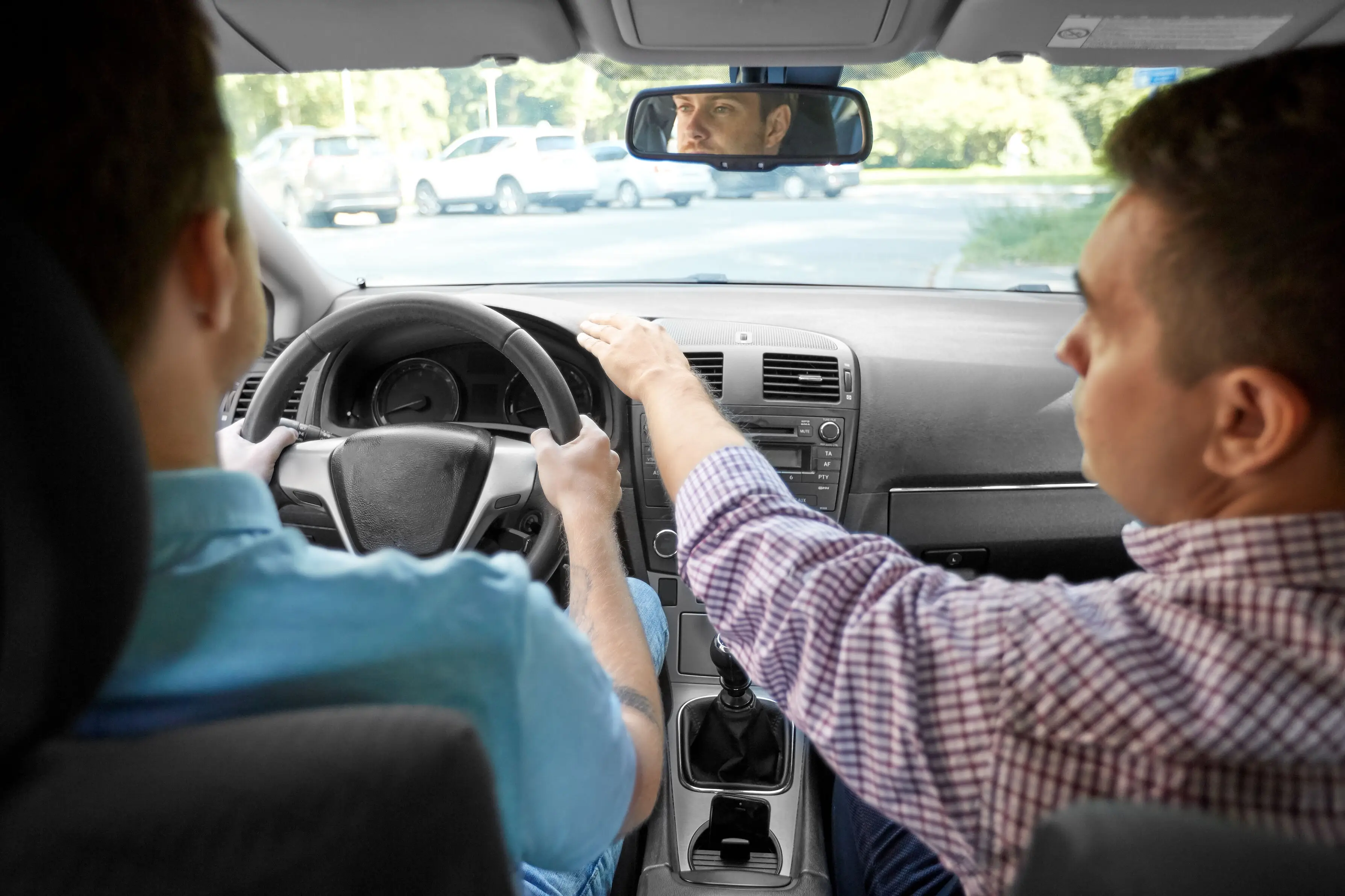
Our expert drivers are very experienced in defensive driving. They can give you tips on how to drive safely through defensive driving. Such a type of driving is an investment in your safety and may help you to drive more confidently and competently.
Conclusion
Developing defensive driving skills is never-ending. It calls for both dedication to safety and continuous practice. Being a new driver gives you the chance to start developing these routines.
Remember that whenever you drive a car, you are responsible not just for your personal safety but also for the safety of everyone around you. Learning these careful driving techniques will help you become a proficient and conscientious driver.
When you are driving, keep safe, calm, and observant. Maintain your concentration, keep practicing, and savour the freedom that results from driving defensively with confidence.